



































Thursday 5 February 2026
For many parents, deciding to send their child overseas for school is not simply an educational choice. It is a deeply personal decision that involves enormous trust, the tyranny of distance, and the hope that the experience will support a child’s growth rather than place them under unnecessary pressure.
For school-aged students, parents are making decisions on their behalf that affect not only their academic progress, but also their confidence, wellbeing, and long-term holistic development. With this in mind, the quality of advice families receive to support these decisions becomes critically important.
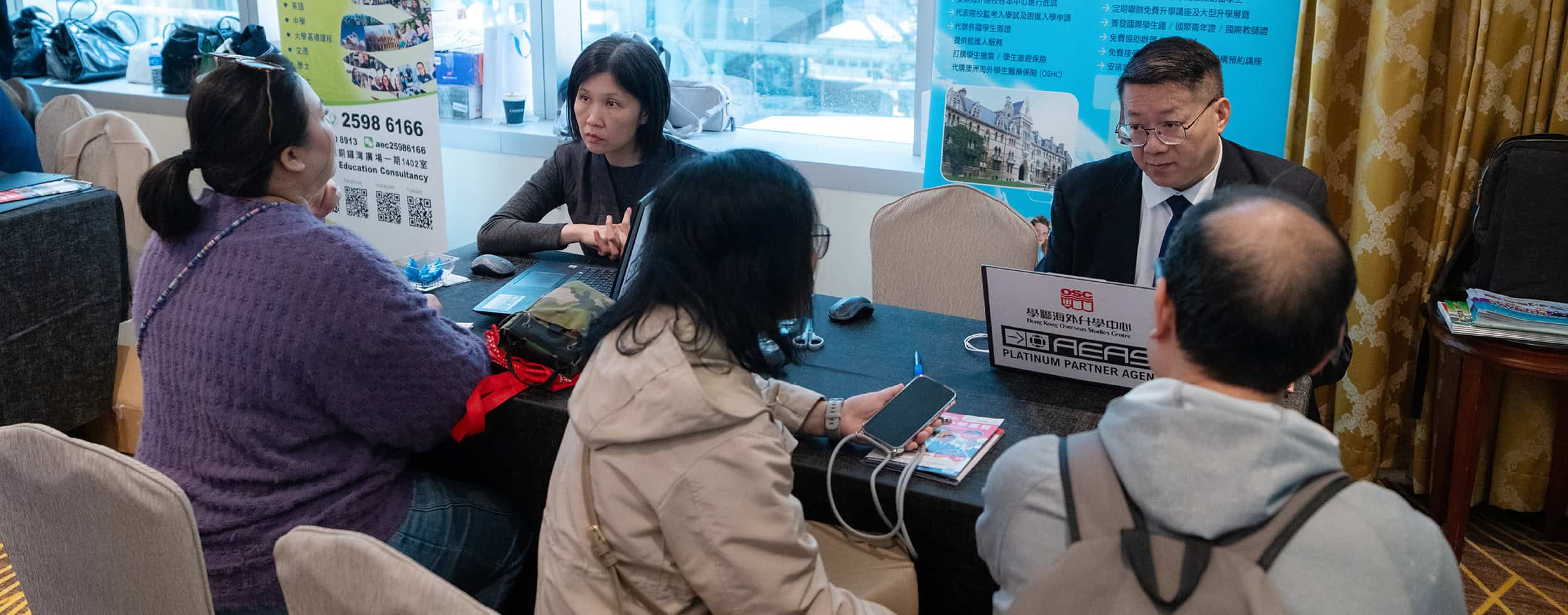
Education agents often play a central role in helping families navigate overseas school choices. In the best cases, an agent acts as an informed and ethical guide, helping parents understand which schools and pathways are genuinely suitable for their child. However, the reality is that the education agent market is crowded, and not all agents operate with the same priorities. This is particularly true in the school sector, where supporting a child is very different from advising an adult student.
Unlike young adults, school-age students cannot independently manage their learning, advocate for themselves, or easily recover from a poor placement decision. They must adapt to a new academic system, a new language environment, unfamiliar teaching styles, and life far from home, often all at once. When the placement is right, these challenges can be positive and transformative. When it is wrong, they can quickly become overwhelming. This is why genuine school sector expertise matters so much.
High-quality agents focus on suitability rather than convenience. They take time to understand a child’s academic background, English level, learning needs, and emotional readiness. They explain to parents what daily school life will look like, what is expected in the classroom, and how progress is measured. They support the use of independent assessments, such as the AEAS Test, to provide an objective view of readiness and to help families make informed decisions about timing, preparation, and school choice.
Unfortunately, there are also less responsible practices in the market that parents should be aware of. Some agents direct families toward specific schools primarily because they have a commercial agreement or receive a higher level of commission from those schools. In these cases, recommendations may be driven by financial arrangements rather than by what is genuinely the best match for the student. The child’s academic readiness, language level, or learning needs may become secondary considerations.
There are also agents who actively look for ways to bypass or minimise quality assurance processes put in place by schools, such as entry testing or readiness checks. Rather than viewing these processes as safeguards for the student, they see them as obstacles to be avoided. The goal becomes finding the path of least resistance to achieve an enrolment, rather than ensuring the child is prepared to succeed once they arrive. When this happens, it is the student who bears the consequences, often struggling academically or socially in an environment that does not match their needs.
AEAS exists to help protect students, families, agents and schools from these outcomes by focusing on readiness and appropriate placement. We work independently and transparently with parents, schools, and education agents, and we do not pay commission to agents for test referrals. This independence is deliberate. It allows AEAS results to be used as an honest decision-making tool, supporting conversations about suitability and preparation rather than simply facilitating enrolment.
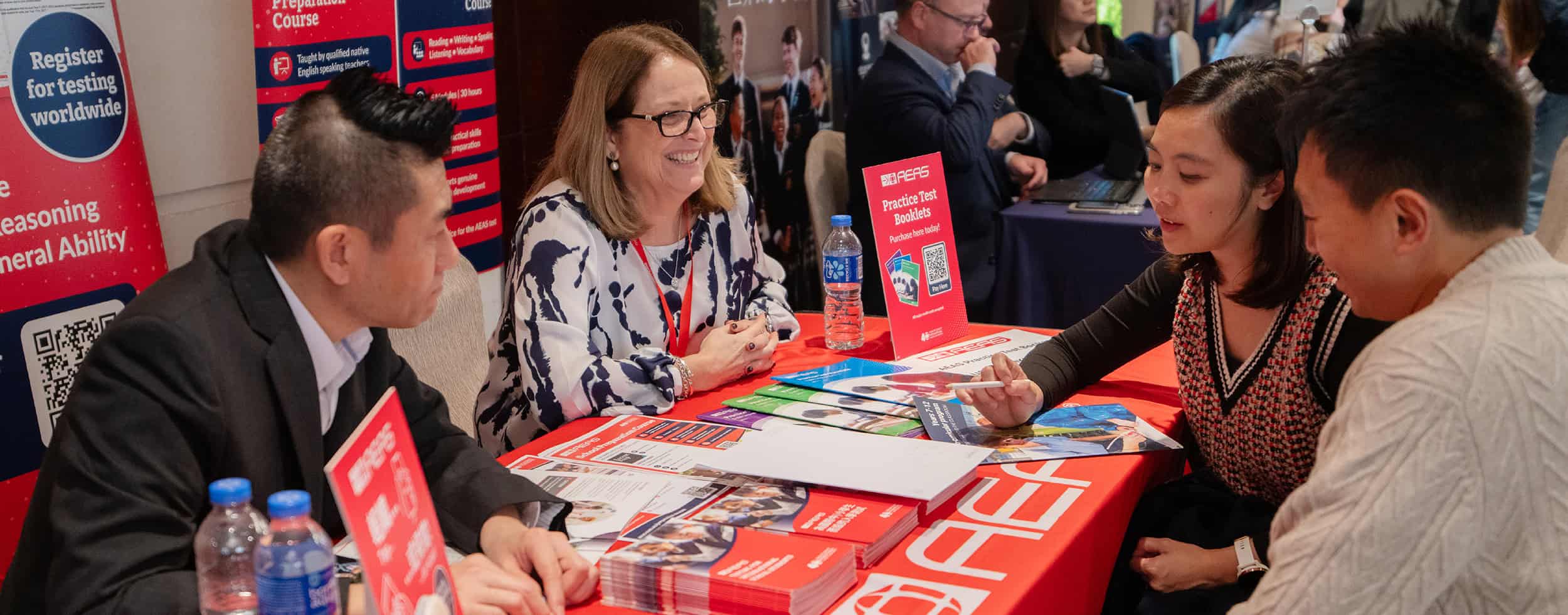
Over many years, AEAS has developed long-term relationships with agents who share this student-centred approach. These agents recognise that their role extends well beyond achieving an enrolment. It includes protecting student wellbeing, prioritising academic success, and guiding families responsibly through what is often a long and emotional decision-making process, as well as supporting them throughout the duration of the child’s enrolment. The AEAS Official Partner Agent Program was established to recognise agents who demonstrate this level of school sector expertise and ethical practice.
For parents, understanding these differences is essential. Asking how an agent approaches school recommendations, how they assess readiness, and how they work with school quality assurance processes can provide valuable insight into whether your child’s best interests are truly being prioritised. The right guidance, combined with the right school, can help a child build confidence, engage in learning, and enjoy the many benefits of an international education. Poor guidance can undermine those opportunities before they have a chance to develop.
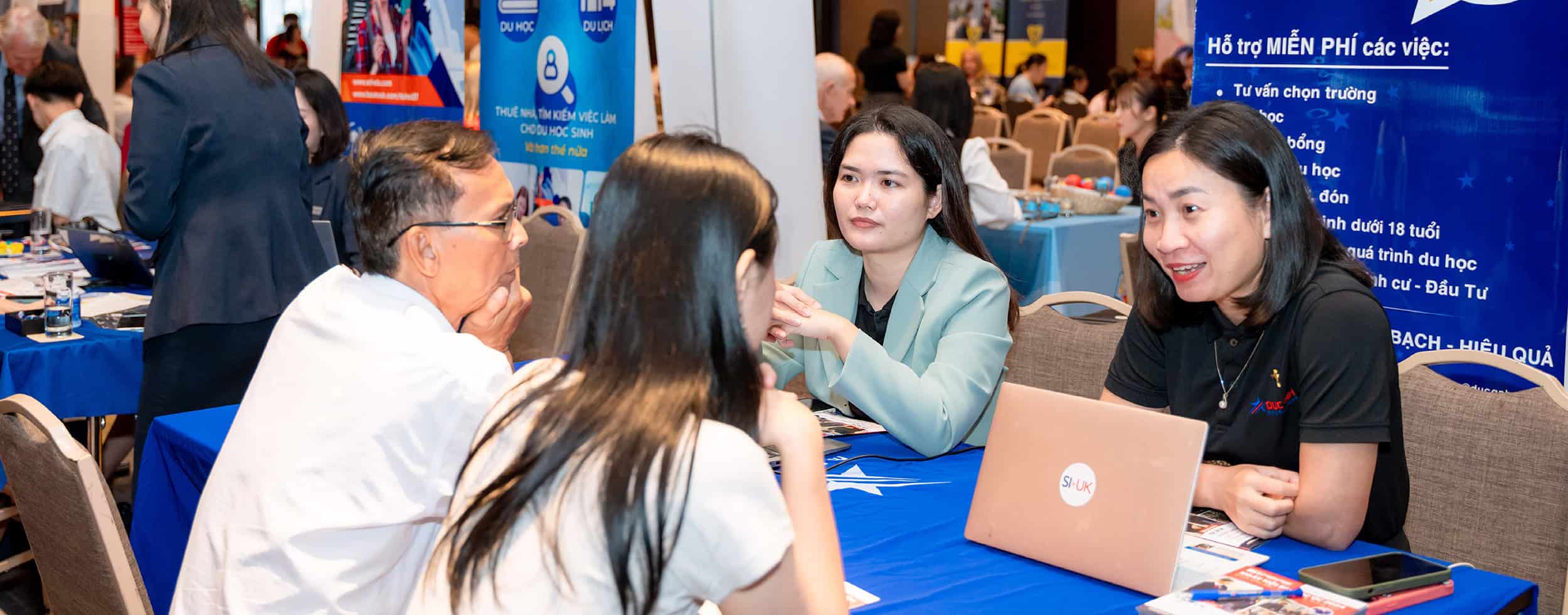
At AEAS, we believe every child deserves the best possible start to their overseas education, and every parent deserves clear, honest, and informed support when making such an important decision.
So, before choosing an education agent, parents may find it helpful to ask themselves a few simple questions:
- Is this agent taking the time to understand my child, not just the destination or the school name?
- Are they willing to talk honestly about my child’s English level, academic readiness, and learning needs, even if that means recommending more preparation or a longer pathway?
- Do they explain why certain schools may or may not be suitable, rather than simply presenting options?
- Are independent assessments, such as the AEAS Test, used to support decisions rather than avoided or dismissed?
- Do they respect and work with school quality assurance processes, or do they try to bypass them?
- Most importantly, do I feel that my child’s wellbeing and long-term success are at the centre of their advice?
Parents do not need to know everything about overseas education. They simply need to choose a quality education agent who does.
You can view a full, searchable list of AEAS Official Partner Agents by clicking here.